
20. маленьких разговоров, весна, лето
- elenaburan

- 5 days ago
- 5 min read
1. Choosing the first trip
A: Spring is already warm. Where should we go first from Montenegro?
B: Croatia is closer, but Albania may be cheaper.
A: True. Croatia looks more expensive at the start of summer.
B: Yes, but it may have better cycling paths near the coast.
A: Have you got any idea about transport?
B: I’ve got some bus options, but not much detail yet.
2. Serbia or Albania
A: Serbia has more big cities, but Albania has more sea views.
B: Yes, and Albania may be better for a short bike trip.
A: Serbia could be more interesting for sports events, though.
B: That’s true. There may be more stadium tours there.
A: Have you got more information about Belgrade?
B: Yes, I’ve got a few notes about hostels and routes.
3. Montenegro or North Macedonia
A: We already know Montenegro well. Maybe North Macedonia would be more new for us.
B: I agree. Ohrid seems quieter than the coast in June.
A: And probably less crowded too.
B: Yes, and we may spend less money there.
A: Have you got any photos of the cycling roads?
B: I’ve got some, and the lake area looks beautiful.
4. Greece for early summer
A: Greece sounds amazing, but it may be the most expensive option.
B: Maybe, but the food and islands are hard to beat.
A: True. The weather there may also be warmer than in Croatia.
B: Yes, especially in late May or early June.
A: Have you got enough money for Greece?
B: Not yet. I’ve got some savings, but not enough for a long trip.
5. Talking about cycling
A: Which country is better for cycling: Albania or Croatia?
B: Croatia may have smoother roads, but Albania may feel more adventurous.
A: I want both good views and less traffic.
B: Then Montenegro in spring may still be the safest option.
A: Have you got your bike ready already?
B: Yes, but I need a few more repairs.
6. Comparing languages: Montenegro, Serbia, Croatia
A: One easy thing is that Montenegro, Serbia, and Croatia sound quite similar.
B: Yes. For example, “Dobar dan” means “Good afternoon” or “Good day.”
A: And people understand it in all three places, right?
B: Yes, very easily.
A: So language is less of a problem there.
B: Exactly. We’ve got fewer communication worries in those countries.
7. A useful Serbian phrase
A: What should we say if we need help in Serbia?
B: We can say “Možete li mi pomoći?”
A: What does it mean in English?
B: It means “Can you help me?”
A: That’s useful and polite.
B: Yes, and people in Montenegro and Croatia will understand it too.
8. A useful Croatian phrase
A: Is there any simple phrase for ordering food in Croatia?
B: Yes: “Molim račun.”
A: What does that mean?
B: It means “The bill, please.”
A: That sounds easy to remember.
B: Yes, and “molim” is used a lot in polite situations.
9. A useful Montenegrin phrase
A: What about a phrase we already know from Montenegro?
B: “Koliko košta?” is very useful.
A: That means “How much does it cost?”, right?
B: Exactly.
A: We may need that more often in summer than in spring.
B: Definitely, because prices get higher closer to the season.
10. Albanian basics
A: Albania is close, but the language is more different.
B: Yes. For example, “Mirëdita” means “Good afternoon” or “Hello.”
A: That doesn’t sound like Serbian at all.
B: No, it’s quite different.
A: What about “thank you”?
B: “Faleminderit” means “Thank you.”
11. Asking for directions in Albania
A: How do we ask where the bus station is in Albania?
B: We can say “Ku është stacioni i autobusit?”
A: And what does that mean?
B: It means “Where is the bus station?”
A: That’s longer than the Serbian version.
B: Yes, but it’s still worth learning before the trip.
12. North Macedonia basics
A: Do you know any phrase for North Macedonia?
B: Yes, “Blagodaram” means “Thank you.”
A: That sounds different from “Hvala.”
B: Yes, but “Dobar den” for “Good day” sounds a bit more familiar.
A: So some phrases feel close, and some feel very different.
B: Exactly.
13. Asking for water in North Macedonia
A: What if we want to ask for water in North Macedonia?
B: We can say “Voda, ve molam.”
A: What does it mean?
B: It means “Water, please.”
A: That’s simple.
B: Yes, and “molam” sounds a little like polite forms in other Balkan languages.
14. Greek greetings
A: Greece is probably the most different linguistically.
B: Yes, and the alphabet is different too.
A: What is a simple greeting in Greek?
B: “Kalimera” means “Good morning.”
A: That sounds friendly.
B: Yes, and it’s one of the first words we should learn.
15. Greek travel phrase
A: What phrase do we need most in Greece?
B: Maybe “Pou einai o stathmos?”
A: What does it mean?
B: It means “Where is the station?”
A: That could save us a lot of time.
B: Yes, especially if we travel by bus or train.
16. Food and budget
A: Which country may give us more food for less money?
B: Albania and North Macedonia may be cheaper than Croatia and Greece.
A: Croatia may have more tourist services, though.
B: Yes, but also more expensive restaurants near the coast.
A: Have you got enough money for daily meals?
B: I’ve got some budget, but I need to spend it carefully.
17. Coast or mountains
A: Do you want more sea or more mountains this time?
B: In early summer, I want more cycling and less beach time.
A: Then inland Montenegro or Serbia may be better.
B: Or North Macedonia near Ohrid. It may be quieter than Budva in June.
A: True. The coast gets busier and noisier.
B: Yes, and the roads get less comfortable for bikes.
18. Sports management angle
A: From a sports management point of view, which country is the most interesting?
B: Serbia may have more large events and bigger clubs.
A: Croatia may be stronger in tourism and sports together.
B: Good point. Greece may also show us more about seasonal sports business.
A: So every country offers something different.
B: Exactly, and that makes the choice harder.
19. Planning a multi-country route
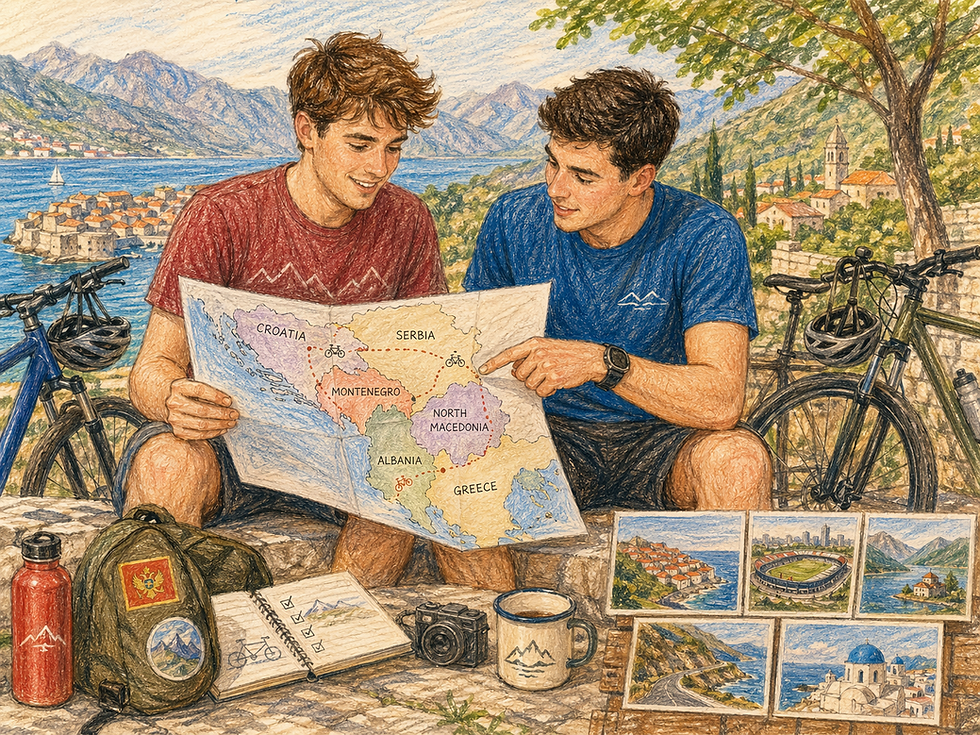
A: What about one route: Montenegro, Albania, North Macedonia, and Greece?
B: That sounds exciting, but longer and more tiring.
A: True. A shorter trip to Croatia and Serbia may be easier.
B: Yes, and we’ve got fewer language differences there.
A: Have you got time for a two-week route?
B: I’ve got two weeks, but not much more than that.
20. Final decision
A: So what is the best first trip for us?
B: For cycling, budget, and easy planning, I’d choose Albania and North Macedonia.
A: For language comfort, Serbia or Croatia may be easier.
B: Yes, but Greece is still the most tempting option.
A: Then let’s start with the cheaper trip and save Greece for later.
B: Agreed. We’ve got a better plan now.


